
ETHANOL!
—the familiar alcohol in wine, beer, and distilled spirits is more dangerous than all the chemical additives we find in ultra-processed foods. The latest advice given to us is that if we haven’t taken our first drink, then we are best off by refraining from drinking. The World Health Organization advises that no level of alcohol consumption is safe. If we enjoy an occasional alcoholic beverage, we should try to cut back on our level of consumption. Once considered a healthy practice, even moderate drinking may not be worth the health risks. Alcohol is toxic when we consume it to excess over a short period of time, known as drunkenness. That is why we call it intoxication. Alcohol is addictive, and we call that addiction alcoholism. Alcohol can lead to chronic diseases such as cirrhosis of the liver and fatty liver disease. The US Surgeon General has linked alcohol to numerous American cancers.
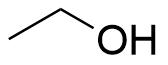
ethanol
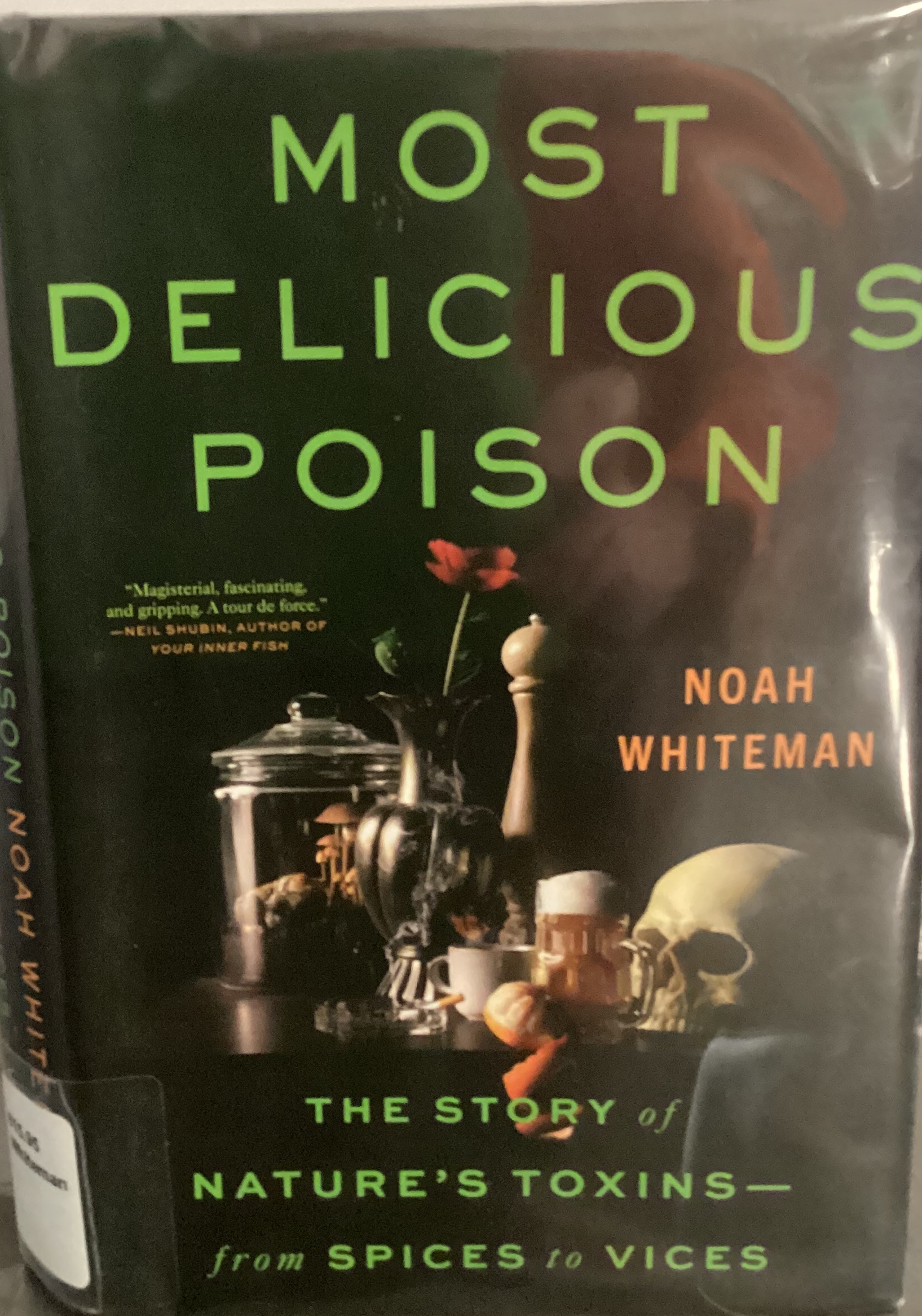
Most delicious poison. In his recent book Noah Whiteman describes the potential toxins that Americans consume voluntarily. In Most Delicious Poison: The Story of Nature’s Toxins—From Spices to Vices he tells the story of how plants produce chemicals that help cure disease at lower doses and can cause illness, even death, at higher levels. The main premise of the book, first stated by Parcelus, is that “the dose makes the poison.” Whiteman, an evolutionary biologist, takes us on a long trip from natural healing to common kitchen spices to self-induced poisoning by alcoholic beverages and popular street drugs. He points out that the range between natural healing doses and toxic ones can be small. Two vitamins that fit this profile are A and D. Vitamin A can be a potent antioxidant as well as providing nourishment. Vitamin D performs a long list of vital functions. Both of these vitamins are fat soluble, however, and can accumulate in our bodies to toxic levels.
Whiteman describes numerous toxic chemicals Some of his most delicious poisons include:
Condensed tannins found in acai berries, apples, cinnamon, cocoa, and grapes. The enticing chemical connection between red wine and beef is attributed to tannins. It is rare that we consume toxic levels of tannins. At low levels they are health promoting. At much higher levels they can induce liver damage. Too much white wine can be toxic, but is it the tannins or the ethanol? The greatest risk of natural healing chemicals occurs when formulated into a tablet, leading to too much of a good thing.
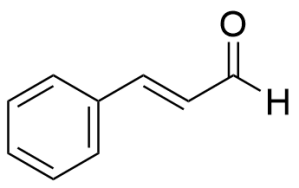
cinnamaldehyde
Natural chemicals in foods similar to the tannins include cinnamaldehyde, the molecule that gives cinnamon its characteristic odor, and salicylic acid, aka aspirin. Again, these substances are beneficial at low doses, but can be hazardous at higher levels. Either way they promote inflammation in our bodies—a good characteristic when involved in healing, but not so much when acting as a toxin. Another healing natural medication, coumarin, reacts with grapefruit juice reducing its healing power. When treated with coumarin, we should not consume grapefruit juice. Too often, warnings about specific medications are ignored. We don’t even worry about natural drugs and their potential harmful effects.
Terpenoids in foods include cannabinoids, cholesterol, and vitamin A, all of which may provide desirable effects at appropriate levels but can cause us problems when overconsumed. We give Mother Nature a pass when it comes to the toxins she produces. Whitehead suggests that most natural chemicals appeared on the scene long before our first ancestors showed up. Despite beliefs to the contrary, Mother Nature didn’t place such healing chemicals in these plants for our benefit. He also points out that the leading causes of death in the USA are 1. tobacco, 2. poor diet and lack of exercise, and 3. alcohol.
Caffeine and Nicotine are familiar in daily American lives, but they are both toxic at just above normal doses. Brewing coffee lowers the risk of too much caffeine, but many Americans exceed the recommended amounts. Dogs and humans can overdose at levels found in caffeine pills. Both caffeine and nicotine are effective insecticides. Tobacco is the number one natural toxin in the USA. Alcohol comes in second. Some nicotine breaks down into nitrosamines causing concern in cured meat products. Bitter compounds such as caffeine serve as warning chemicals because most toxic chemicals are bitter, but most bitter compounds are not toxic. Bitter can serve as a warning of danger, but bitterness can also enhance our flavor palate!
Spices are potent sources of toxins in addition to improving the flavor of our foods. Horseradish and mustard provide a rush when they burn as we add them to perk up our meals, but they can serve as irritants when deployed as weapons in gaseous forms. What a dull diet we would have without spices, but many of those we use can also be toxic. Again, it depends on the dose and our own levels of sensitivity. Think of the pleasure/pain principle in consuming chili peppers. Spices noted in the book that could be toxic if overconsumed include basil, cumin, nutmeg, oregano, saffron, and turmeric. Beware also of overexposure to bay leaves, celery juice, jicama seeds, red pepper flakes, and wasabi. Whitehead is skeptical of the food-is-medicine movement. He warns us to be wary of the conclusion of any study on the benefits or toxicity of a specific spice can be due to “confirmation bias.”
When conducting sensory research with human subjects, I needed approval from the university’s Institutional Review Board to ensure that none of my panelists would be endangered. The only proposal that caused concern by the Review Board was in collaboration with a biologist on using common spices as preservatives for extending shelf life of fresh fruits. The objective of our research was to determine if the added spices were at objectionable levels to the panelists. Panelists only sniffed the samples; they did not consume them. The Board was concerned that the panel could be exposed to a toxic level of odor from these spices. It was a complete revelation to me that the most toxic substances I ever presented to a panel were common spices.
Alcohol poisoning is a subject of much concern to the author of Most Delicious Poison.
SPOILER ALERT If you are still reading this book or plan to read it, skip the rest of this paragraph and move on to the one below.
Noah Whitehead loved his father who was very good about taking his brother and him into the woods and exploring nature. That mentorship was partially responsible for the author’s choice of career as an evolutionary biologist. Unfortunately, after sundown each evening his father had the habit of drinking large amounts of beer. This habit became so bad that the father abandoned his family to live a life of his own. By the end of the book, the author was called to a trailer camp in Texas to claim the remains of his dad who had literally drunk himself to death. As he walked into the trailer, he smelled the chemicals of death—cadaverine, dimethyl disulfide, methyl mercaptan, and putrescine. The cause of death was coronary artery disease and cirrhosis of the liver directly related to his alcohol-use disorder.
The toxicity of some food additives must be acknowledged.
When it comes to chemicals in our food, familiarity doesn’t breed contempt; it breeds acceptance.
Our soon-to-be Secretary of Health and Human Services has called many of the food additives in ultraprocessed foods toxic. First, none are as toxic as ethanol at the doses many of us consume on an annual, monthly, weekly, or even daily basis. Regulatory agencies around the world carefully study the scientific literature to determine the safety of these additives. Also, the safety levels between normal use and potential toxicity are much greater for approved food additives than they are for potential toxins in spices and natural chemicals used for healing effects. And yet, NOVA condemns these regulated chemicals and gives natural ones a pass. WHY? Remember that the dose makes the poison.
Having stated that, there are a few additives that we should be careful of including calciferol, nitrates and nitrates, provitamin A, retinol, and sodium chloride. Vitamins A (retinol) and D (calciferol) do not have the regulatory safety range of other additives because they are essential nutrients. Sodium chloride, aka table salt, is also an essential nutrient. Adults are advised to get a minimum dose of from 930 to 2300 milligrams per day. And yet, it is probably a good idea to limit salt consumption to no more than 1500 milligrams daily. The typical dose Americans consume is as much as 3500 milligrams daily which can lead to chronic hypertension and cardiovascular disease.
Nitrates and nitrites contribute to the formation of nitrosamines in foods linked to rectal and stomach cancer. Fresh vegetables, such as greens are also high in nitrates and nitrites, but in the absence of meats they convert these compounds into nitric oxide which has a beneficial effect on the body. Beware of so-called nitrate-free hot dogs, sausages, and naturally cured meats with celery juice. Those nitrate compounds are found naturally in the celery juice and lead to nitrosamine formation in naturally cured meats like pepperoni and salami.
And then there are high-fructose corn syrup, monosodium glutamate, and sucrose. High-fructose corn syrup and table sugar (sucrose) are sweeteners. A recent study has implicated fructose in cancer. Sucrose is made up of 50% fructose and 50% glucose. Honey and the highest level of high-fructose corn syrup are 55% fructose. We can substitute in agave syrup for any of the other sweeteners, but it contains 90% fructose. If a manufacturer uses any of these sweeteners it counts as added sugar on the label. Not to fear, a homemaker can incorporate it into a sweet or non-sweet food and it doesn’t count as added sugar. The toxicity level of any sugar is not clear, but it is thought to contribute to diabetes, obesity, and other chronic diseases. On the other hand, our brain needs glucose to fuel it. Our bodies can generate glucose through a metabolic process known as gluconeogenesis by breaking down proteins in our diet, but that is probably not the healthiest way to feed our brain.
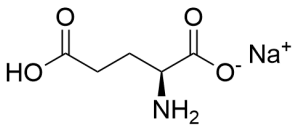
monosodium glutamate MSG
Monosodium glutamate is a standard flavor enhancer in many Asian foods. It has been implicated in Chinese Restaurant Syndrome and is probably the most condemned food additive not named high-fructose corn syrup. Numerous research studies have tested the toxicity of both of these additives with mixed results. The body of scientific knowledge has not budged regulatory agencies who view both additives as safe. Maybe Whitehead’s warning in Most Delicious Poison that the benefits or toxicity of a specific food additive can also be due to “confirmation bias.” That is why it is important to accept the scientific judgement of toxicologists in regulatory agencies on whether these additives are safe in our diets or unsafe. Additives deemed unsafe are removed from products otherwise considered safe.
Food additives are being held to a much higher standard than are spices and natural toxins. I have no problem with regulation of food additives. I do have concerns that there are natural chemicals in our foods that can be overconsumed, while popular belief equates natural with safe and artificial with hazardous.
Take-home lessons abound
- We consume toxins daily and many of them are natural chemicals,
- The dose makes the poison, and the difference between a safe dose of many natural components of foods, and an unsafe dose is much lower than for common synthetic food additives, and
- Many chemicals, natural or synthetic, can be beneficial at lower levels and toxic at higher ones, but synthetic additives in foods are more carefully regulated,
Despite the possible dangers I will continue to consume
- alcohol on a limited basis—no more than two drinks a week (a bottle of beer or a glass of red wine),
- ultraprocessed foods containing chemical food additives including basil pesto sauce, pepperoni, and a double helping of Italian sausage at my favorite pizza restauant, and
- fruits and vegetables as an important part of a balanced diet.
Thanks to Dr. Rob Pegg for providing the chemical structures displayed in this post!
Coming soon: Grading The 5-Day Healthier Eating Challenge from The New York Times.

 In Defense of Processed Food
Informative post! thank you!
LikeLike
Thanks!
LikeLike
You’re welcome!
LikeLike