
Numerous articles have been posted on the net about the death of fake meat. Many opponents seem to be dancing on its grave. Has the news of its death been greatly exaggerated? Will it make a comeback? The discussion reminds me of the video Who Killed the Electric Car? Despite some deniers out there, the electric car appears to be making a comeback. I love listening to mysteries on the Radio Classics channel of my XM radio. The best way to solve a mystery is to identify who stands to gain the most with the victim’s death. Here is a list of my leading suspects on Who Killed Fake Meat:
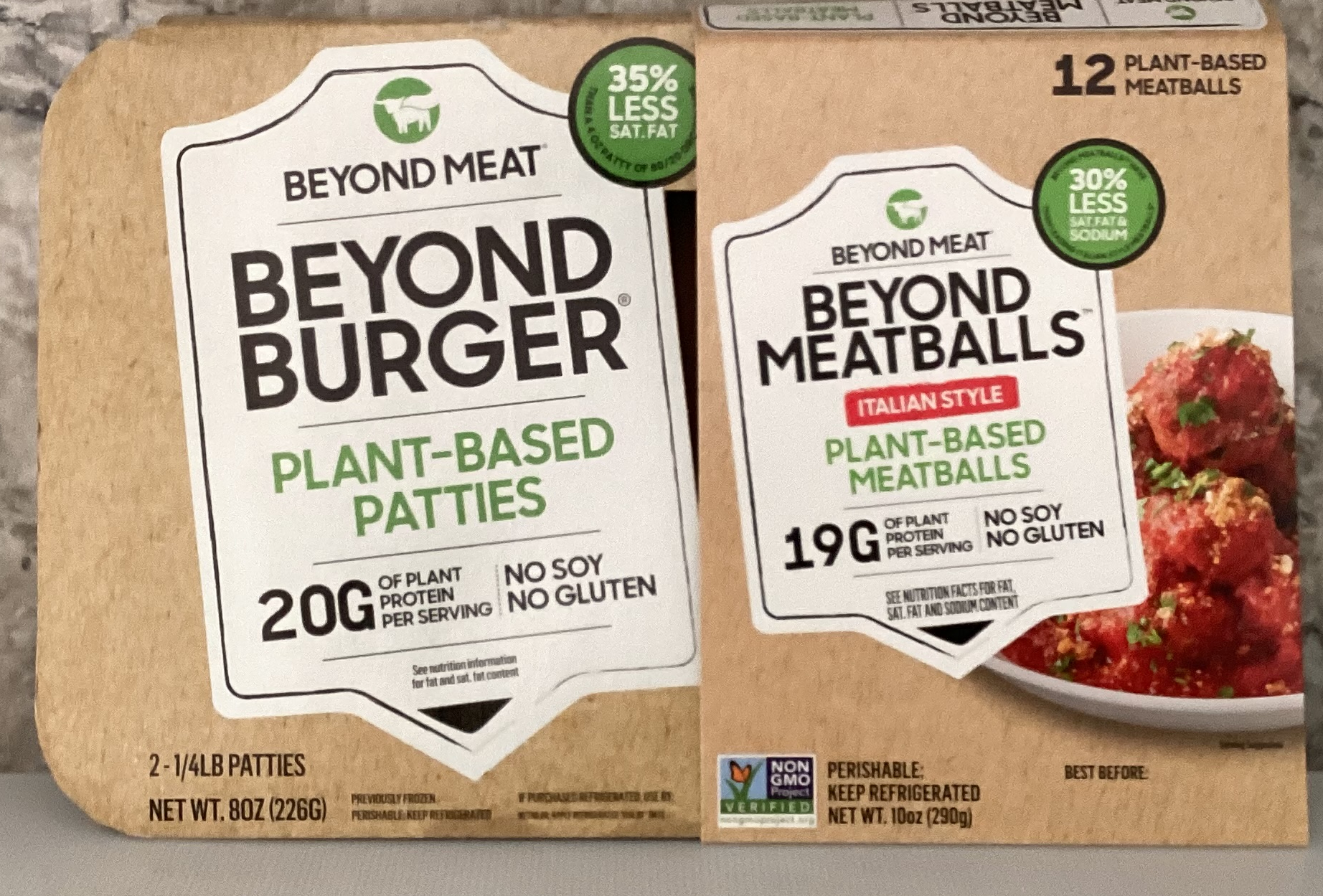
The meat industry stood the most to lose if fake meat started to cut into their bottom line. Early on they criticized fake meat as ultra-processed and thus unhealthy. When it became apparent that the fake meat posed no real danger to real meat when displayed next to each other in the meat section of the supermarket, the meat industry stopped worrying. It didn’t hurt real meat that pound for pound, fake meat was more expensive.
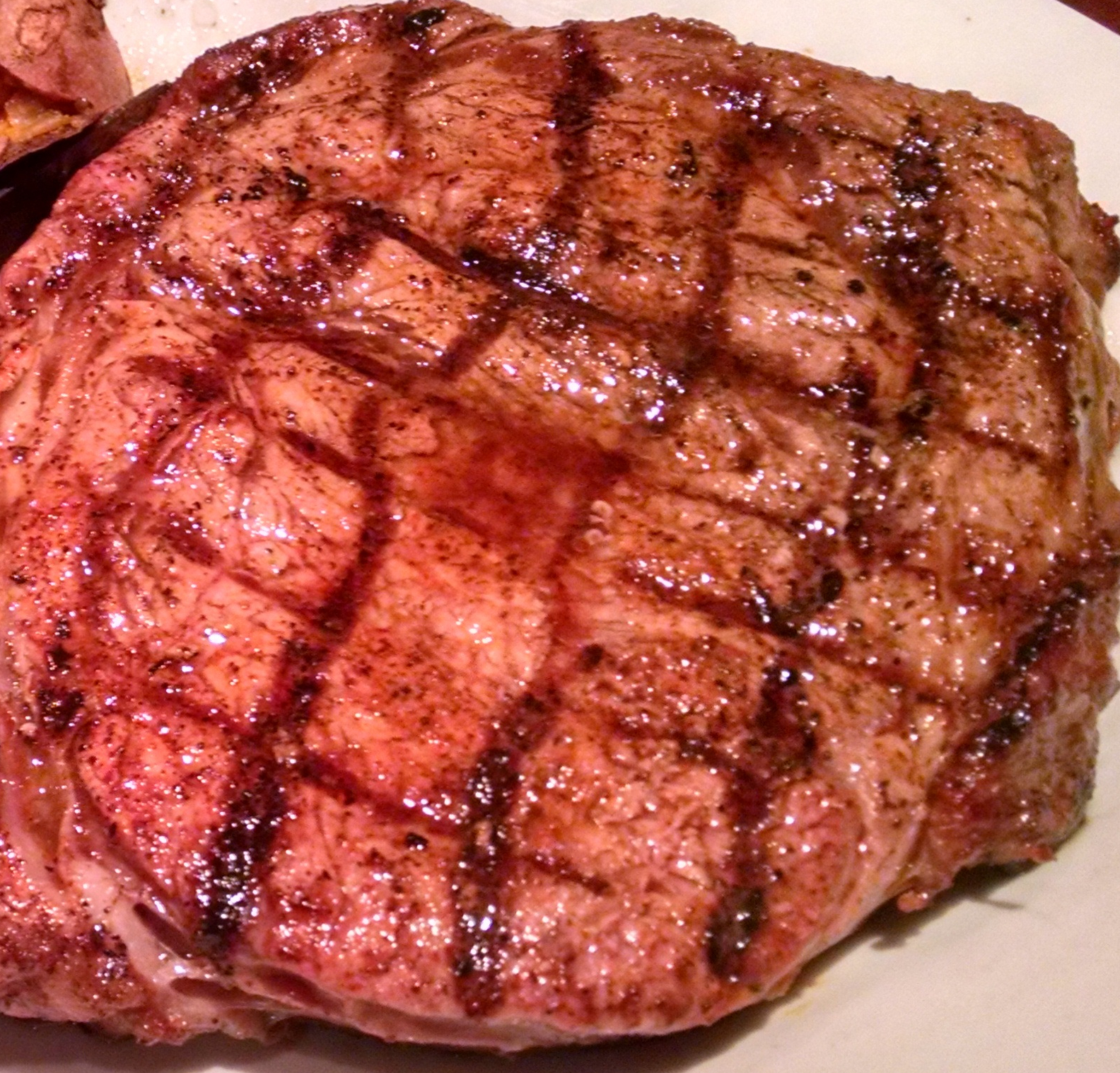
Regenerative Aggies see fake meat as a threat to sustainability purity. Both groups wish for major reductions in real meat consumption by the public. “Eat less meat but better meat” became the battle cry of these aggies. Real meat, particularly real beef, is not sustainable because of carbon emissions. Regenerative Agriculture puts that carbon back into the soil. That is so much better than eating ultra-processed foods. Well, yes, regenerative steaks are much more expensive than real meat or even fake meat, but the earth will be so much better off if we eat less real meat. Would the earth be better off if regenerative meat joined forces with fake meat types to get rid of feedlots and reduce real meat consumption? Could they have been allies instead of rivals? Maybe, but regenerative agriculture doesn’t seem to be taking off and probably won’t until real meat becomes very expensive.
NOVA backers represent the food police who don’t want to see us eating ultra-processed foods. These industrial formulations are a threat to our health. Everyone knows that we should be eating only meals prepared at home. Numerous epidemiological studies show correlation between ultra-processed products and chronic disease. Understanding which of these foods are responsible is not clear, but it must be food additives with chemical-sounding names that are the cause. Fake meat is made in a lab and not in the home.
Whole Foodists have trouble understanding why anyone would want to put a processed food in their mouth. The idea disgusts them. “Why don’t they just eat a whole-foods, plant-based diet?” Instead of pea and lentil protein in fake meat why don’t they just eat peas and lentils? It may be that most people don’t find peas and lentils all that appealing to look at or eat. Whole foodists, not to be confused with people who shop at Whole Foods, don’t have enough sway to bring down a product like fake meat.
Vegans have been the prime marketing target for fake meats. Although we tend to think of vegans as hard-core devotees of a life without animal products, the reality is that it is a very fluid category. Many vegans are temporary vegans. They move away from real meat for animal welfare, nutritional, environmental, or social reasons. Then they find it difficult to maintain a vegan lifestyle. Fake meat helps temporary vegans stay vegans longer or adopt a flexitarian lifestyle. Hard-core vegans might oppose fake meat, but it is unlikely that vegans are responsible for the death of fake meat.
Environmentalists don’t seem to be the group to gain the most from the death of fake meat, but we might be wrong. Some environmentalists are telling us to do the math as fake meat producers use too much energy and don’t give us a true accounting of emissions they produce. But I understand that meat production is so much more than energy and emissions. Meat production is also about water use, particularly in arid regions of the world. For some reason, environmentalists take offense at the concept of fake meat, but their issues are so much greater than meat in general. They have not devoted enough of their resources to commit fake-meat-acide.
Consumers take the last place on our list of suspects. Without their money to fuel the supply chain from ingredient sources to the meat section in the supermarket, fake meat will die a slow, painful death. Fake-meat entrepreneurs may have overhyped the market beyond reasonable expectations. Such products sold reasonably well in vegan markets, but they were only novelty items for many meat lovers with environmental leanings. Last time I checked there were still fake-meat items in the meat section of my supermarket, but the shine is off the package. If consumers don’t continue to buy enough product to meet manufacturer’s expectations, the processor will put fake meat to sleep.
Take home lesson. It is not clear if fake meat is really dead. It seems strange to me that so many groups are hoping and waiting for it to die. In a market economy, a processed product dies when consumers fall out of love and the manufacturing company can no longer meet the costs of production. It is strange that fake meat has so many enemies, particularly in the environmental community. With doomsday for global warming rapidly approaching, it would appear that there are bigger enemies to fight than fake meat.
Trying to modify other people’s diets either for environmental or health reasons is difficult. “Because I said so” never is a very good argument to get people to change their habits. Neither environmentalists, vegans, whole foodists, NOVA backers, regenerative aggies, nor the meat industry will be able to make or break consumer desires for plant-based meat or its successor, cultivated meat. If processors of fake meat can come up with products that meet the flavor and price expectations of consumers, it will live and thrive. Otherwise, it will die a quiet death. Note that Who Killed the Electric Car debuted in 2006 and the first Tesla hit the market in 2008. It doesn’t take long for an idea whose time has come to blossom in the marketplace.
Coming soon: Are we destroying food diversity around the world?

 In Defense of Processed Food
Testing posting a comment for the second time.
LikeLike
Testing a post via WordPress.
LikeLiked by 1 person
Your test worked.
LikeLike
I really like the way the UK website talks about the issue of meat. Which in my opinion really is a big deal. I remember grappling with the humane treatment of animals way back in my twenties and concluding that if I was going to continue to be an omnivore, I needed to deal head-on with the issue of slaughter and be prepared at least mentally to doing the dirty work myself.
The website “The Four Futures of Meat” divides the options for meat into 4 quadrants of equal size: 1) Plant-based ‘no meat’, 2) Less meat, 3) Alternative-’meat’, and 4) Efficient meat 2.0.
LikeLike
Very interesting. Thanks.
LikeLike
This is a test.
LikeLike
<
div dir=”ltr”>
<
div dir=”ltr”>Hi Rob,
<
div>I really like the way the UK website talks about the issue of meat. Which
LikeLike
I don’t know what is happening to these comments. I will try to get it corrected.
LikeLike