

Edible insects offer an alternative to meat-centered, unsustainable, Western diets which feature ultraprocessed foods. And yet, the relctance for eating bugs in the West suggests that we will not stoop to modifying our food choices short of a global-warming apocalypse. Dr. Aaron Dossey and colleagues edited a compilation of both the promise of and resistance to adopting insects as foodstuffs in our efforts to appease the climate gods.
In the interest of full disclosure, I am a follower of Dr. Aaron T. Dossey on LinkedIn. I have never met the man in person, but we message each other on our frustrations. His lifetime dream of commercializing edible insects did not come to fruition, and he has paid a huge financial price as a result. My interest in edible insects did not start with my connection with Dr. Dossey. I posted an article on this site as part of a series on alternative proteins. RLS
 Insects as Sustainable Food Ingredients is the book Dr. Dossey and his colleagues published in 2016. It is now somewhat dated, but it has much solid information presented from a scholarly perspective. The first thing that struck me as I read each chapter is the enthusiasm of each of the chapter authors for their subject. Their enthusiasm, however, did not prevent a sober assessment of the roadblocks ahead for the acceptance of edible insects as a protein replacement. There are several questions posed by the book that we might want to consider.
Why should we consider eating insects? The old answer is that eating insects give us extra protein. The newer one, mentioned in the book, is that we eat insects all the time, we just don’t know it. As a summer intern at a company that sells packaged spices I performed solvent extractions of raw spices. I learned that most of my samples contained some insect fragments but below the legal limits. In their first lab of my Food Chemistry class, my students learned that flour purchased at the local supermarket also contained insect eggs or other fragments. It may be a disconcerting observation, but it should be a lesson for us all. Both answers are more true than most of us appreciate. Edible insects are a good source of protein, and most, if not all, off us have consumed insects inadvertently. There are many reasons why we should expand our minds. The main selling points for eating insects are sustainability and nutritional quality.
First, our overconsumption of meat is unsustainable if we are going to meet the challenges of global climate change. This situation is particularly challenging for Western diets with meat at the center of most meals. If we make dramatic reductions of animal-based products in our diets, where is our protein going to come from? Strict plant-based diets are not appealing to many of us, and it is not clear that plants alone can meet the protein needs of the current world population. Traditional agriculture is energy intensive, but insect agriculture is not as intensive and can rely on renewable sources. Insect farming takes much less land and provides a much smaller carbon footprint than animal production. Insect farming uses less water, insects are more prolific than livestock, and they can even be grown in outer space. There is a much better feed to protein bioconversion for insects than for meat animals. Insect feed can be derived from waste material collected from other food operations. When living in close quarters, these farms do not resemble CAFOs. Since insects are poikilothermic (cold blooded) they require less energy to produce heat.
Second, the nutritional profile of edible insects is favorable. They are a good source of high-quality protein. Chitin in insects adds dietary fiber. The fatty acids found in insects are less saturated than those in meats. Vitamins and minerals vary between species and whether harvested at the pupae or adult stage. Today insects are an important source of protein for 25% of the world’s population. They can continue to be an important resource in fighting global malnutrition. For Western preferences they are gluten-free, natural, and low in carbohydrates.
Third, safety concerns about insects are exaggerated. Strict control of the growing environment is critical to help overcome the image of insects being dirty. Sanitation of growing insects is better controlled indoors than by growing them outside. During insect farming, the microbial quality of the water and feed must be monitored. Contamination of whole insects or insect ingredients such as powders and pastes can be introduced any time during handling, but that is also true for any food derived from plants and animals. Hazard Analysis and Critical Control Point (HACCP) systems are recommended. Wild-harvested insects also may pose a health hazard due to accumulation of pesticides. In addition to microbial and pesticide issues, safety evaluations must also include potential allergens, identity verification, and toxicology. A few species have been vetted for such concerns, but any new species must be carefully studied for each of these safety issues before bringing them on line.
Fourth, a final consideration for including edible insects in the diet is flavor. The main difficulty is that the flavor of many edible insects is described as “drab.” For example, the larva of the witchetty grub convey the hint of almonds eaten raw and turn crisp and with a chicken-like flavor when roasted. The bland flavor could be beneficial when added as an ingredient in formulated foods.

How, then, can insects be converted to mass-produced foods? This is the point at which bringing this sustainable, nutritious food to a wider market becomes tricky. Much of the production and distribution of edible-insect products are small-scale and local. A major thrust of the book focuses on how to bring insects into the mass food marketplace. Such an effort needs to start on the farm, proceed through processing, product development, marketing, and distribution. The trick, as for any innovative food product, is to balance production, marketing, and distribution with consumer demand and purchasing behavior.
First, insect farms need scaling up with advanced automation and improved management practices. Careful monitoring of feed and water is even more critical in these large operations. Recovering feed for insects from modern food processing operations is necessary to lower costs. Proper control of sorting, separating, and cleaning of the harvested insects before processing is critical. Careful traceability plans are necessary in the event of quality or safety issues during distribution. Concerns about optimal air flow, atmosphere, humidity, light, and temperature as the insects grow must be developed. Such conditions and other production techniques will vary by species farmed. Lowering temperatures to freezing and maintaining this condition until death of the farmed insects represents a humane approach to the kill step. Insects will not become a primary source of processed-food ingredients unless farms are scaled up, but governmental regulation and economies of scale work against large insect farms in the United States.
In addition to consumption of whole insects, alternatives include use as ingredients in the form of an extract, powder, or paste. To be useful as ingredients they must perform needed functions in food formulations and provide the desired nutritional and sensory quality. As noted above, edible-insect ingredients should provide high-quality protein, but the presence of chitin may pose problems in some products. Ingredients in any food formulation must be shelf stable. Some potential products for these ingredients include alternative meats, nutritional supplements, and snack foods. Isolated chitin could be added to products to increase dietary fiber.
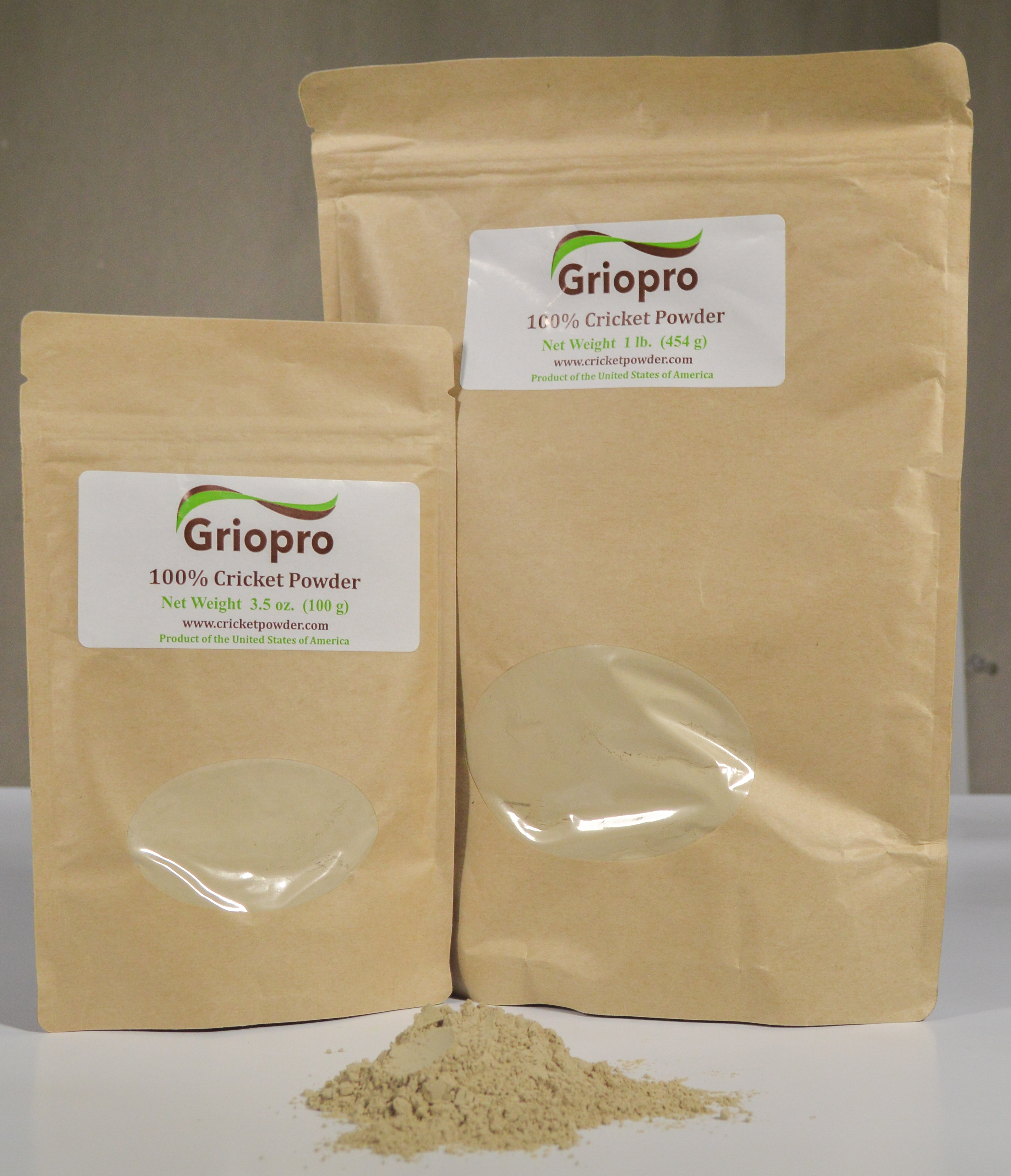
What are the major difficulties in use of insects in mainline food products? The book Insects as Sustainable Food Ingredients describes the major limitation to edible insects as the “disgust factor.” Americans and the rest of Western society is willing to give honey a pass as an acceptable food ingredient, but we view whole insects or their extracts, pastes, and powders as unacceptable. Until this barrier can be overcome, edible insects as a food material appear to be a nonstarter in the West. Even if reluctance ceases to be a barrier, there are many limitations to mass commercialization like any new innovative technique or type of ingredient. The closest analogy that comes to mind is the use of novel plant-based alternatives to animal products. There are some similarities and some stark differences between the two types of ingredient substitution.
Among the constraints facing the manufacturers of alternate insect proteins are lowering production costs and improving production efficiency. Each insect species presents both unique challenges and opportunities with respect to nutritional needs, optimal growth conditions, processing techniques, disease risks, product development, and marketing opportunities. Research needs include a better understanding of diseases insects face and potential nutritional deficiencies in insect feed that could limit production efficiency. Do any potential edible insect species contain natural compounds that pose toxic consequences in humans such as ultraallergens, antinutrients, or heavy metals? Commercialization will require characterization of functional properties of insect protein and chitin for an array of food products.
Safety and other regulatory standards are not established for edible insects in many countries, although many Asian countries are taking the lead in this area. How will these ingredients be labeled or described on product labels? What terms will be used to convey marketable messages that will both appeal to potential consumers and avoid governmental restrictions? Note that the regulatory environment in most countries seeks to limit insects in foods rather than as a source for ingredients. Can these ingredients appeal to consumer activists who oppose many food innovations such as plant-based protein extracts and ultraprocessing? Would they capture the attention of advocates of the Paleo Diet or other fads? Note that while whole crickets do not qualify as ultraprocessed foods, most products using cricket powder as an ingredient would be considered ultraprocessed.
When will we see insect ingredients become a major player in the processed-food market? First and foremost is overcoming fear and safety considerations. Concerns over global climate change motivate many consumers to buy more sustainable products, but price, flavor, and comfort still rule the marketplace. Increased threats from more severe tropical storms, wildfires, and swollen rivers, fueled by climate change have failed to shift consumer reliance on animal sources of protein. Until prices of animal-based products skyrocket, Western society will fail to embrace alternate sources of protein. It may take a younger generation to look past the negative image of edible insects to embrace a more sustainable, nutritious source of protein in their diets. A combination of price, idealism of the young, and fear of a climate apocalypse may be required to elicit a sea change in consumer behavior. Will it be too late to make a difference?
There are many obstacles to bringing edible insects as a mainstream food ingredient beyond overcoming consumer reluctance. Can insect farms overcome regulatory hurdles to scale up production without supply oversaturating market demand? Will compositional differences in species limit standardization of edible insect ingredients? Can product developers incorporate insect ingredients into novel or existing items that meet the sensory expectations of their consumer base? Will manufacturers be able to develop marketing messages to draw in willing consumers to purchase these products and incorporate them into their diets? Some of these obstacles have been overcome in the form of insect ingredients in animal feed for alligators, chickens, crustaceans, frogs, and rats. Overcoming regulatory hurdles and consumer acceptance in the shift from animal feed to human food presents a much greater challenge.
Takeaways. In the West we eat too much meat both for our health and the health of our environment. Yet, we have a source of protein available to replace animal-based sources that is nutritious, sustainable, and safe when produced in controlled conditions. Edible insects can be part of the food component of our fight against global climate change, but fear of eating bugs is standing in the way. Will significant rises in meat prices and the idealism of a younger generation propel us to take a second look at edible insects? Or are we hurtling down the road to a global apocalypse? Mass adoption of insects in our diets will not be a magic bullet in fighting this eventuality, but it could be a major part of the solution.
The road to acceptance of plant-based proteins as egg, dairy, and meat alternatives has been rocky. So was the adoption of the first phase of electric vehicles. The emergence of Tesla brought on a boom, but Americans appear less enthusiastic today while China is becoming dominant in that market. Will edible insects be able to achieve success? Success in fighting global climate change will not happen if only true believers adjust their thermostats and convert their diets to plant-based alternatives. We will require major changes in the types of protein we consume.
Inspiration. The book challenges practitioners to “have fun and remember that you are a pioneer working in a historic time for a transformative new industry for food and agriculture. You are utilizing the largest and most diverse group of organisms on the planet: Class Insecta.”
Thanks to Dr. Aaron T. Dossey who provided all photos displayed in this post. For more on Dr. Dossey’s vision go All Things Bugs » Home RLS
Coming soon: Some interesting and provocative books on science

 In Defense of Processed Food
One thought on “You want me to eat What? Edible insects and reluctant Americans.”